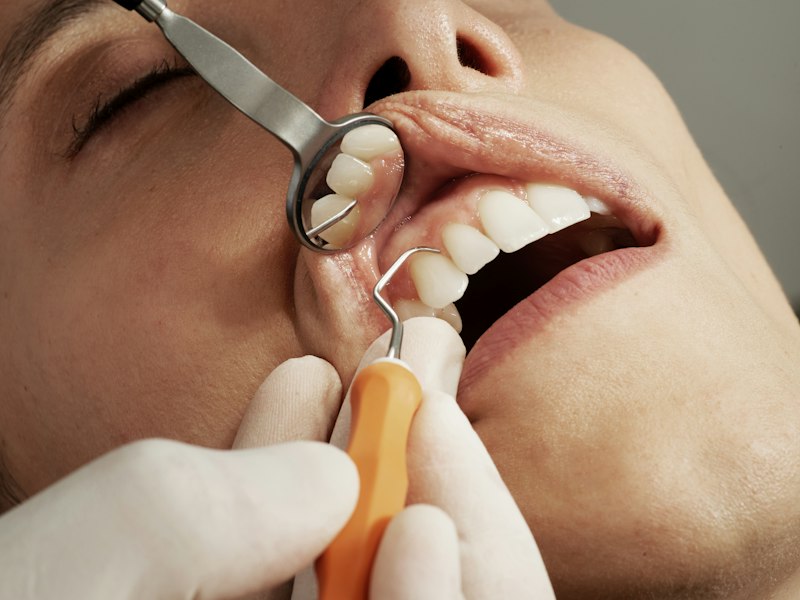
Understanding Gum Disease
Gum disease (periodontal disease) is an infection of the structures supporting the teeth — including the gums, periodontal ligament, and alveolar bone. It exists on a spectrum from gingivitis (mild, reversible gum inflammation) to periodontitis (severe, irreversible bone and tissue destruction leading to tooth loss). Both stages are driven by pathogenic bacteria in the subgingival environment (below the gumline) that trigger chronic immune-mediated tissue destruction.
What makes gum disease particularly dangerous is its systemic effects. The same inflammatory cytokines that destroy gum tissue enter the bloodstream and contribute to cardiovascular inflammation, insulin resistance, and neurological damage. Adults with severe periodontal disease have 19-28% higher risk of coronary heart disease, 50% higher risk of kidney disease, and two-to-threefold higher risk of certain adverse pregnancy outcomes.
The Root Cause — Oral Microbiome Imbalance
Gum disease is ultimately caused by specific pathogenic bacteria — primarily Porphyromonas gingivalis, Treponema denticola, and Tannerella forsythia (the "red complex" pathogens) — colonizing the subgingival space and triggering chronic immune activation. These bacteria thrive when the normal healthy oral microbiome is disrupted, allowing pathogens to establish dominant colonies in areas that beneficial bacteria previously controlled.
Understanding this root cause explains why mechanical cleaning alone (brushing and flossing) while necessary is insufficient for adults with established periodontal disease — the pathogenic bacteria in deep periodontal pockets are protected from mechanical removal. Strategies that address the microbiome directly — through diet, probiotics, and anti-inflammatory interventions — complement mechanical hygiene for comprehensive gum disease prevention and management.
Evidence-Based Natural Strategies for Gum Disease Prevention
1. Master Mechanical Oral Hygiene
Proper brushing and flossing form the non-negotiable foundation of gum disease prevention. Use a soft-bristled toothbrush at a 45-degree angle to the gumline for two full minutes twice daily — the angulation directs bristles beneath the gumline where early biofilm forms. Floss daily reaching beneath the gumline with a gentle C-curve around each tooth. For adults with periodontitis, an interdental brush (between-tooth brush) is often more effective than floss for cleaning larger interdental spaces. Water flossers provide additional subgingival irrigation that standard floss cannot achieve.
2. Reduce Sugar and Refined Carbohydrate Intake
Fermentable sugars are the primary energy source for periodontal pathogens. High sugar intake creates a continuously favorable environment for pathogenic bacterial growth in the subgingival space. Beyond direct bacterial nutrition, high sugar intake drives systemic insulin resistance and inflammation that impairs the immune response in gum tissue — allowing established infections to progress more rapidly. Eliminating sugary beverages, reducing refined carbohydrates, and increasing fiber intake changes the oral environment unfavorably for periodontal pathogens.
3. Oral Probiotic Supplementation
As discussed in our article on how probiotics help teeth and gums, oral probiotics — particularly Lactobacillus reuteri, Lactobacillus paracasei, and Streptococcus salivarius — produce meaningful clinical improvements in periodontal health parameters. A systematic review and meta-analysis published in the Journal of Clinical Periodontology (2021) found that probiotic supplementation significantly improved clinical attachment level, pocket depth reduction, and bleeding on probing — all primary measures of periodontal health — compared to placebo.
The key is using oral-specific probiotic strains in a dissolvable format (lozenges, tablets, or chewables) rather than swallowed capsules, which bypass the oral cavity entirely. Consistent daily use for at least 8-12 weeks is required for clinically meaningful microbiome changes.
4. Vitamin C Supplementation
Vitamin C is essential for collagen synthesis — the structural protein that forms gum tissue. Severe Vitamin C deficiency (scurvy) causes rapid gum deterioration. Even subclinical Vitamin C insufficiency impairs gum tissue integrity and immune function in the periodontium. Multiple studies have found associations between lower Vitamin C intake and higher rates of periodontal disease. Supplementation at 250-500mg daily, in addition to dietary sources, supports gum tissue repair and immune function in the periodontal environment.
5. Coenzyme Q10 for Gum Health
Coenzyme Q10 deficiency has been found in gum tissue from periodontitis patients in multiple studies. Topical CoQ10 application to periodontal pockets has shown clinical benefits in reducing gingival inflammation and supporting tissue healing in randomized trials. Oral CoQ10 supplementation (100-200mg daily) improves CoQ10 availability in gum tissue through systemic circulation. This is a less well-known application of CoQ10 but has meaningful supporting evidence.
6. Green Tea Consumption
Green tea catechins — particularly EGCG — have potent anti-inflammatory and antimicrobial effects in the oral cavity. A systematic review published in the Journal of Periodontology found that green tea consumption was significantly associated with better periodontal health parameters including lower pocket depths and less attachment loss. Regular green tea drinkers (3+ cups daily) show measurably better gum health than non-drinkers independent of other oral hygiene practices.
7. Smoking Cessation
Smoking is the most significant modifiable risk factor for periodontal disease. It reduces blood flow to gum tissue (impairing immune response and tissue healing), suppresses neutrophil function (the primary immune cells responding to periodontal infections), promotes pathogenic bacterial overgrowth, and masks clinical signs of gum disease (bleeding) that would otherwise prompt earlier treatment. Smokers are two-to-seven times more likely to develop severe periodontitis than non-smokers. No other single intervention will improve gum health more dramatically than smoking cessation.
8. Manage Systemic Health Conditions
Diabetes, cardiovascular disease, and obesity all dramatically worsen periodontal disease through shared inflammatory pathways. Conversely, treating periodontal disease improves blood sugar control in diabetic patients — a bidirectional relationship with profound clinical implications. If you have diabetes, controlling blood glucose is as important for gum health as brushing. Maintaining healthy body weight and managing cardiovascular risk factors simultaneously addresses gum disease risk through these shared systemic pathways.
When Natural Strategies Are Not Enough
For established periodontitis (particularly moderate-to-severe disease with bone loss and pocket depths above 5mm), professional periodontal treatment is necessary. This typically involves scaling and root planing (deep cleaning below the gumline) and possibly periodontal surgery for advanced cases. Natural strategies described here are most effective for preventing disease progression and supporting healing after professional treatment — not for reversing established advanced bone loss, which requires professional intervention.
See a periodontist (a gum disease specialist) if you have pocket depths greater than 4mm on probing, significant gum recession, loose teeth, or persistent gum bleeding despite improved oral hygiene. Early professional intervention prevents the more extensive and expensive treatment required for advanced disease.
🦷 Our Top Oral Health Supplement: ProDentim
3.5 billion oral probiotic strains to support healthy gums and teeth. 60-day money-back guarantee.
Read Our Full Review →Affiliate link — we may earn a commission at no extra cost to you