Feeling a tooth move when you press on it or bite down is genuinely alarming — especially if it came on gradually without obvious trauma. In adults over 60, loose teeth are rarely random events. They almost always reflect an underlying process that has been progressing for years, often silently.
The Most Common Causes of Loose Teeth in Seniors
1. Advanced Periodontal Disease — The #1 Cause
Teeth don't sit in bone alone — they sit in bone surrounded by a ligament (the periodontal ligament) that acts as a shock absorber and anchor. Advanced gum disease destroys this bone support structure progressively. As the bone level drops, there's less foundation holding each tooth, and teeth begin to loosen. This process happens over years and is typically painless until significant bone loss has occurred — which is why regular dental check-ups with X-rays are critical.
The sobering statistic: by the time a tooth becomes noticeably loose from periodontal disease, it has typically lost 50% or more of its supporting bone. Prevention is far more effective than treatment at this stage.
2. Bone Loss From Osteoporosis
Osteoporosis affects the jawbone (mandible and maxilla) just as it affects the hip and spine. Several studies show that osteoporotic seniors have higher rates of tooth loss and loose teeth — the jawbone providing less support for teeth when mineral density is reduced. This connection is bidirectional: tooth loss also accelerates jawbone resorption in osteoporosis.
3. Bruxism (Teeth Grinding) — Often Unrecognized
Many seniors grind their teeth during sleep without realizing it. Chronic grinding applies lateral forces to teeth that their root and bone structure weren't designed to handle, causing the periodontal ligament to stretch and the tooth to loosen. Worn, flat-looking teeth, jaw soreness in the morning, and headaches are associated signs. A night guard is the most effective and immediate protective intervention.
4. Trauma
A direct blow to the mouth or biting down on an unexpectedly hard object can acutely loosen a tooth by partially tearing the periodontal ligament. If traumatic loosening occurs, dental evaluation within 24–48 hours gives the best chance of ligament healing and tooth retention.
5. Tooth Abscess
A dental abscess (bacterial infection at the root tip or in the gum pocket) can cause acute tooth loosening by destroying surrounding bone rapidly. Abscesses are accompanied by pain (often severe), swelling, possible fever, and a foul taste — and require urgent dental treatment.
What Happens at the Dentist for Loose Teeth
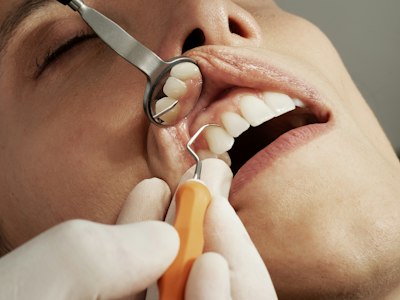
The periodontist (gum specialist) evaluates: bone levels on X-ray (measuring how much support remains), pocket depths around each tooth, tooth mobility grade (I–III), and furcation involvement (whether bone loss has reached the areas between roots on multi-rooted teeth). Based on this assessment, treatment options range from deep cleaning and antibiotics to splinting (attaching the loose tooth to stable neighbors) to bone grafting procedures in selected cases.
Proactive Gum and Bone Support
While professional treatment is essential for existing bone loss, supporting the biological environment that maintains gum and bone health makes meaningful sense:
- Vitamin D3 + K2: Critical for both bone density and the bone-building process in the jaw
- Calcium (from diet preferably): Essential mineral for jaw bone mineral density
- Oral probiotics: Reducing periodontal pathogen load slows the bacterial destruction of supporting bone — particularly valuable in seniors with established gum disease
- Vitamin C: Essential for collagen synthesis in the periodontal ligament; deficiency (more common in seniors) impairs ligament integrity
And critically: professional cleaning every 3–4 months (not 6) for anyone with a history of gum disease removes bacterial deposits that cannot be reached by brushing and flossing alone.
Support Gum and Periodontal Health From Within
ProDentim's 3.5 billion CFU oral probiotic formula helps shift the oral microbiome away from periodontal pathogens — supporting the tissue health that keeps teeth stable.
👉 Read Our Full ProDentim Review ✅ Honest review · Science-backed ingredients · No hype