You take a sip of sweet tea or bite into fruit and feel a sudden sharp zing in one or more teeth. Sweet sensitivity is one of the most common dental complaints in adults over 60 — and it's often dismissed as just "aging teeth." But sweet sensitivity has specific causes that can be addressed.
Why Sweet Sensitivity Is Different From Cold Sensitivity
Cold sensitivity and sweet sensitivity, while they often co-occur, have different physiological drivers. Cold sensitivity is primarily a physical stimulus — temperature changes expand and contract dentinal fluid, activating nerve endings through the hydrodynamic mechanism. Sweet sensitivity is primarily a chemical stimulus — sugar molecules interact with exposed dentinal tubules and osmotically draw fluid, activating a similar but distinct neural pathway.
This is why sweet sensitivity can occur without significant cold sensitivity, and vice versa. Sweet sensitivity specifically suggests that dentinal tubules are exposed AND permeable — the tubules are open channels to the nerve, not just exposed dentin with any blockage.
The Main Causes of Sweet Sensitivity After 60
1. Exposed Root Surfaces (Gum Recession)
Root surfaces are covered by cementum — far softer and more permeable than enamel. As gums recede after 60 (from gum disease, aggressive brushing, or age-related tissue changes), root surfaces become exposed. Cementum wears quickly, exposing dentin and the wide-open dentinal tubules of root dentin. Root dentin is significantly more permeable than crown dentin, explaining why root surface exposure produces particularly acute sweet sensitivity.
2. Enamel Erosion from Acidic Diet or Reflux
Decades of acidic food and beverage exposure, compounded by gastroesophageal reflux (GERD) — which is more common after 60 — progressively erode enamel. Thinned enamel brings dentinal tubules closer to the surface and reduces the buffering layer between stimuli and nerves. Sweet sensitivity from erosion often affects multiple teeth simultaneously, particularly the front teeth and lower molars.
3. Early Dental Decay (Cavities)
Sweet sensitivity that is localized to one or two specific teeth — especially if it started recently and is getting progressively worse — may indicate active decay. Bacteria metabolize sugar to produce acid, and this acid-demineralization process directly irritates dentinal nerve endings. New sweet sensitivity in a previously unaffected tooth warrants dental examination to rule out decay, particularly in seniors with dry mouth (which dramatically increases cavity risk).
4. Cracked Teeth
Cracked tooth syndrome produces sweet, temperature, and pressure sensitivity that can be notoriously difficult to localize. Micro-fractures in teeth — common in older adults with decades of grinding, heavy chewing, or large old fillings — allow fluid to enter the tooth and stimulate nerves. Sweet sensitivity from cracks is often intermittent and sharp.
5. Old Filling Margins Leaking
Dental fillings placed decades ago often develop micro-gaps at their margins as they age. These gaps allow fluids (including sweet substances) direct access to dentin. If sweet sensitivity is localized to a tooth with an old or large filling, the filling itself may need replacement or repair.
What Helps Sweet Sensitivity
| Intervention | Best For | Evidence |
|---|---|---|
| Desensitizing toothpaste (stannous fluoride) | Generalized sweet/temperature sensitivity | Moderate-Strong |
| Fluoride varnish (dental office) | Root surface sensitivity from gum recession | Strong |
| Dental bonding over exposed roots | Severe root sensitivity that doesn't respond to topical | Strong |
| Oral probiotics | Reducing acid-producing bacteria causing enamel erosion | Moderate |
| Treating GERD (if present) | Acid erosion-related sensitivity | Strong |
| Filling repair or replacement | Failing restoration-related sensitivity | Strong (definitive) |
Protecting Against Further Enamel Loss After 60
Wait 30–60 minutes after consuming acidic foods or beverages before brushing — brushing immediately removes softened enamel. Use remineralizing toothpaste (nano-hydroxyapatite or fluoride) that deposits mineral back into early enamel lesions. Chewing sugar-free xylitol gum after meals stimulates saliva (your natural remineralizing fluid) and raises oral pH. The oral microbiome plays a role too — oral probiotics that shift the bacterial balance away from acid-producing species reduce the chronic low-level acid attack on enamel that makes sweet sensitivity worse over time.
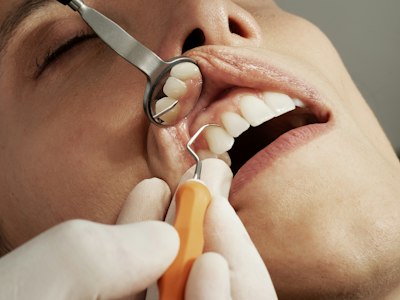
Support Your Oral Microbiome and Enamel Health
ProDentim's oral probiotic formula helps shift your oral microbiome toward beneficial strains — reducing the acid-producing bacteria that worsen enamel erosion and sweet sensitivity.
👉 Read Our Full ProDentim Review ✅ Honest review · Science-backed ingredients · No hype