

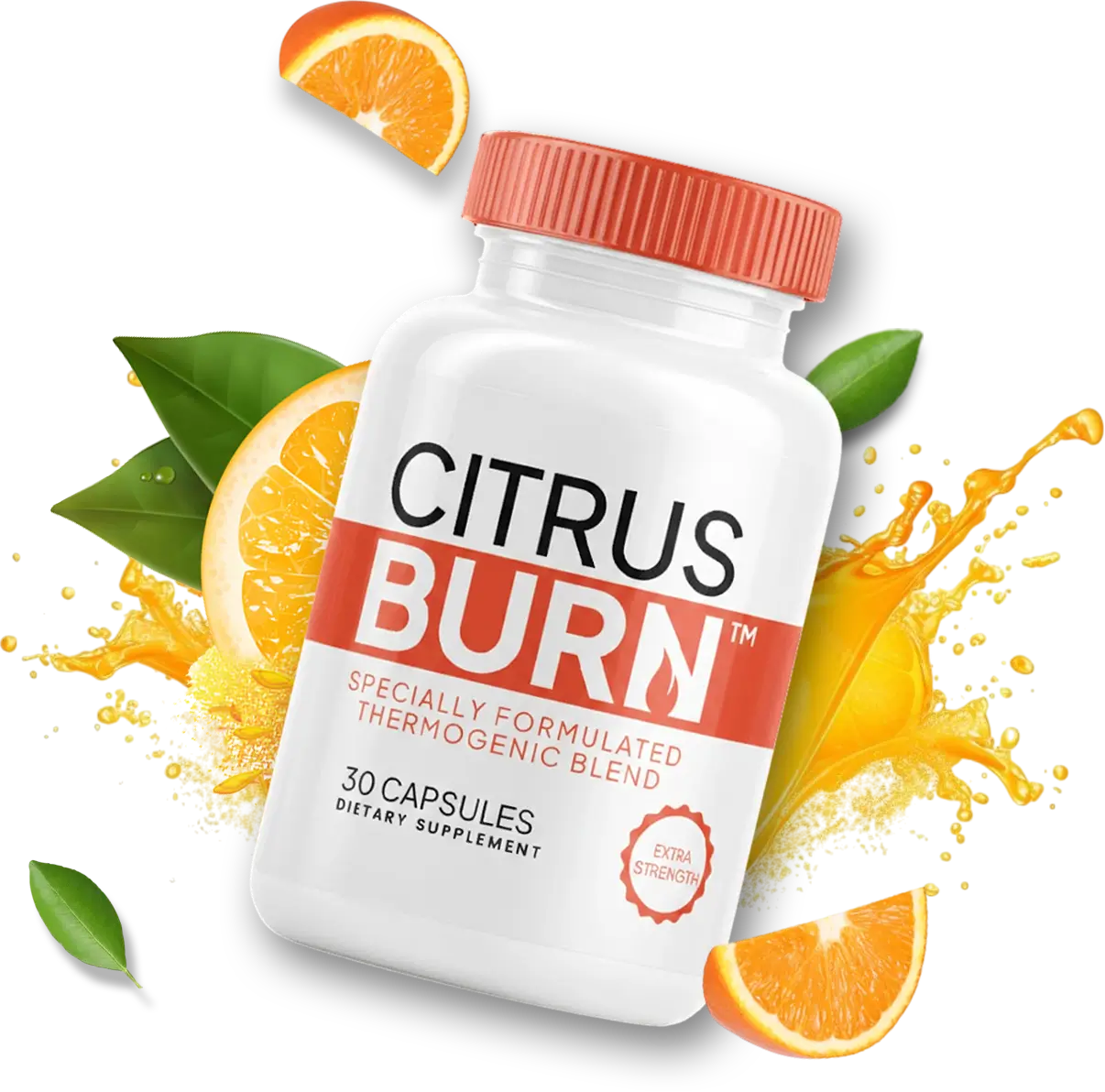
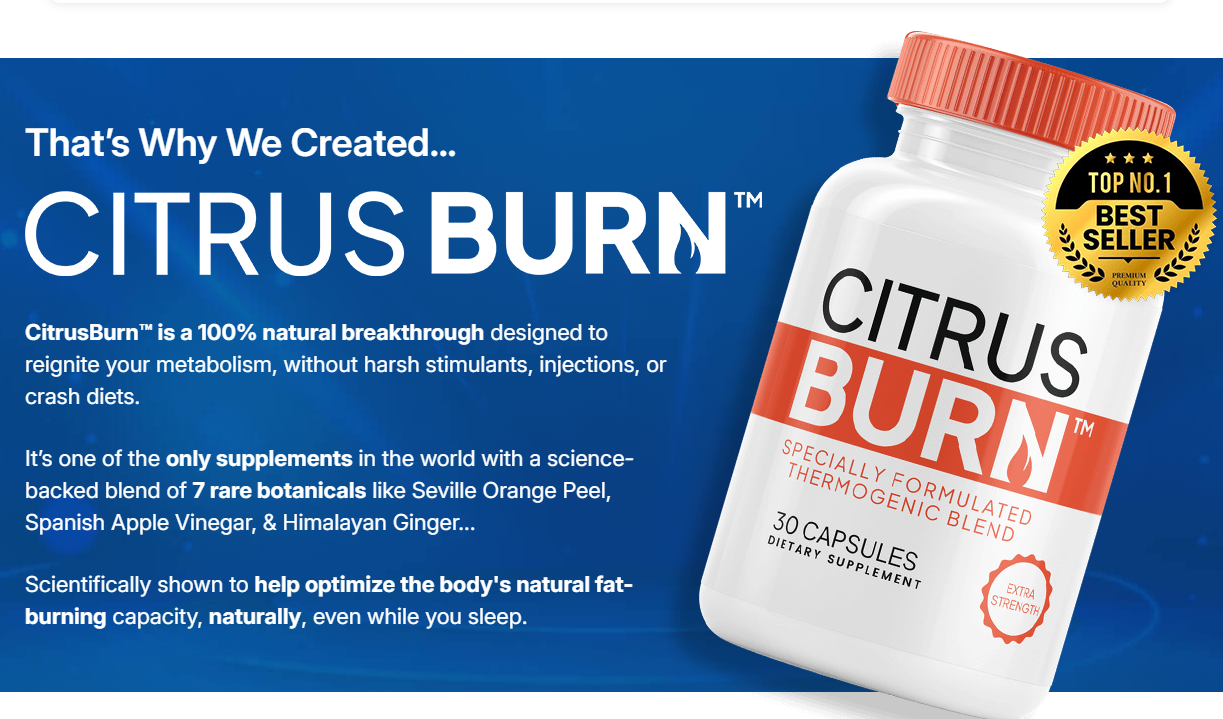
Citrus fruits have long been celebrated for their vitamin C content — but emerging research suggests their bioactive compounds may play a powerful role in fat metabolism. Here is what the science says.
1. Citrus Flavonoids Activate Brown Adipose Tissue
Brown adipose tissue (BAT) is metabolically active fat that generates heat by burning calories. Studies show that certain citrus polyphenols can stimulate BAT activation, effectively turning your body into a more efficient calorie-burning machine. This thermogenic mechanism operates independently of exercise, representing a meaningful contribution to total daily energy expenditure.
2. Synephrine Supports Thermogenesis Without Cardiovascular Stress
Synephrine, found in bitter orange (Citrus aurantium), has been studied as a milder, safer alternative to ephedrine. Clinical data suggests it modestly increases metabolic rate and fat oxidation without significant cardiovascular side effects — making it suitable for individuals who cannot tolerate stimulant-heavy fat burners.
3. Hesperidin Improves Insulin Sensitivity
Poor insulin sensitivity is one of the most overlooked contributors to weight gain. When cells become resistant to insulin, the pancreas secretes more of it — and elevated insulin levels directly promote fat storage. Hesperidin, a flavonoid abundant in citrus, has shown promise in improving glucose uptake at the cellular level, reducing this fat-storage-promoting insulin response.

4. Naringenin Inhibits Fat Cell Formation
Naringenin, found primarily in grapefruit, has been shown in laboratory studies to inhibit adipogenesis — the biological process by which pre-adipocyte cells mature into fully functional fat-storing adipocytes. While human trials are still limited, this mechanism may help limit the expansion of adipose tissue over time.
5. Limonene Reduces Oxidative Stress Linked to Obesity
Chronic oxidative stress is strongly correlated with metabolic dysfunction, systemic inflammation, and obesity. Limonene, a terpene found abundantly in citrus peel, demonstrates significant antioxidant activity that may help restore metabolic homeostasis in individuals with high oxidative burden.
Practical Takeaway
The convergence of thermogenic, anti-adipogenic, insulin-sensitizing, and antioxidant mechanisms makes citrus-derived bioactives a genuinely compelling category in metabolic health support. While no supplement replaces a calorie-controlled diet and regular exercise, the emerging evidence suggests these compounds can meaningfully contribute to a comprehensive fat loss strategy.
Looking for a supplement that harnesses these citrus compounds in a single clinical formula?
Read our full CitrusBurn Review to learn more.