

The gut microbiome — the vast community of microorganisms inhabiting the human gastrointestinal tract — has emerged as one of the most significant frontiers in metabolic health research. Evidence now suggests that microbiome composition is not merely a consequence of body weight, but a causal factor in its regulation.
The Landmark Human Microbiome Studies
Seminal research from the Washington University School of Medicine demonstrated that germ-free mice colonized with gut bacteria from obese human donors gained significantly more body fat than mice colonized with bacteria from lean donors — despite consuming identical diets and calories. This landmark finding established a causal link between gut microbiome composition and adiposity that has since been replicated across multiple research groups.
How Gut Bacteria Regulate Body Weight
The gut microbiome influences body weight through several intersecting pathways. Energy harvest efficiency varies significantly between microbiome configurations — certain bacterial communities extract more caloric energy from identical food substrates than others. Short-chain fatty acids (SCFAs) produced by bacterial fermentation of dietary fiber stimulate GLP-1 and PYY secretion — satiety hormones that reduce appetite and food intake. The gut-brain axis — bidirectional communication between the microbiome and the central nervous system via the vagus nerve — influences food cravings, reward responses to food, and hedonic eating behavior. Metabolic endotoxemia — low-grade systemic inflammation triggered by bacterial lipopolysaccharide (LPS) translocation through a permeable gut barrier — promotes insulin resistance and visceral fat deposition.
Lean vs. Obese Microbiome Signatures
Clinical microbiome studies consistently identify lower Firmicutes-to-Bacteroidetes ratios in lean individuals compared to obese individuals. Specific species associated with healthy weight — particularly Lactobacillus gasseri, L. rhamnosus, Akkermansia muciniphila, and Bifidobacterium species — are consistently depleted in overweight and obese populations.
Can Probiotic Supplementation Shift the Balance?
Clinical trials specifically targeting weight-related microbiome parameters have shown modest but consistent effects. A 12-week randomized controlled trial with L. gasseri SBT2055 demonstrated a significant reduction in visceral fat area compared to placebo. A separate trial with L. rhamnosus CGMCC 1.3724 showed significant weight loss in women, with effects maintained at follow-up assessment.
The Dietary Foundation
Probiotic supplementation works most effectively when combined with a fiber-rich diet that provides prebiotic substrates for the supplemented bacteria. Resistant starches, inulin, and beta-glucans from whole foods synergize with probiotic supplementation to accelerate microbiome compositional shifts.
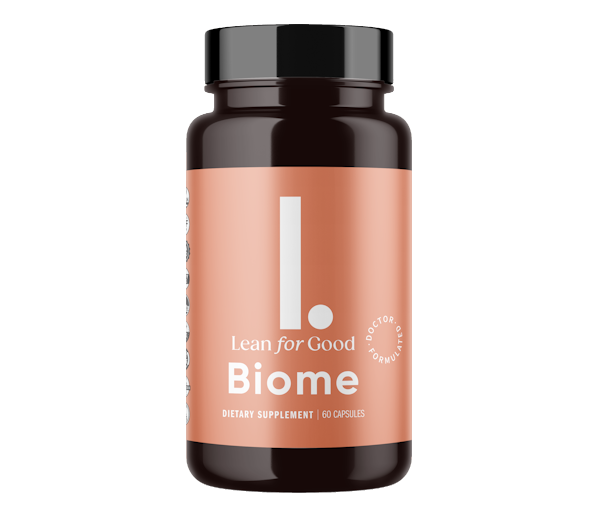
For a clinically formulated lean microbiome supplement combining the most studied lean strains with prebiotic support, read our full LeanBiome Review.