

Hibiscus sabdariffa — commonly known as roselle or hibiscus — has been used in traditional medicine across Africa, Asia, and Latin America for centuries. Modern clinical research has begun to validate its most prominent traditional use: blood pressure reduction.
The Active Compounds in Hibiscus
The primary bioactive constituents of hibiscus responsible for cardiovascular effects include anthocyanins (delphinidin-3-glucoside, cyanidin-3-glucoside), organic acids (hibiscus acid, citric acid), and polyphenolic flavonoids. These compounds act through multiple complementary mechanisms to reduce arterial blood pressure.
ACE Inhibition: The Primary Mechanism
Angiotensin-converting enzyme (ACE) converts angiotensin I to angiotensin II — a potent vasoconstrictor that raises blood pressure. Hibiscus polyphenols have demonstrated ACE-inhibitory activity in vitro and in clinical settings, reducing the vasoconstrictor burden on arterial walls. This mechanism is analogous — though milder — to pharmaceutical ACE inhibitors commonly prescribed for hypertension.
Clinical Trial Evidence
A systematic review and meta-analysis published in the Journal of Hypertension analyzed 5 randomized controlled trials and found that hibiscus supplementation produced a mean reduction of 7.58 mmHg in systolic blood pressure and 3.53 mmHg in diastolic blood pressure compared to control. While modest, these reductions are clinically meaningful — a 5 mmHg reduction in systolic pressure is associated with a 14% reduction in stroke risk and a 9% reduction in coronary heart disease risk at a population level.
Diuretic and Anti-Inflammatory Effects
Beyond ACE inhibition, hibiscus demonstrates mild diuretic activity — reducing fluid retention that contributes to elevated blood pressure. Its anthocyanin content also provides anti-inflammatory effects on endothelial tissue, potentially improving arterial compliance over long-term use.
Safety and Considerations
Hibiscus is generally well-tolerated at therapeutic doses. Individuals already taking antihypertensive medications should consult their physician before adding hibiscus supplementation, as additive blood pressure-lowering effects may require medication adjustment.
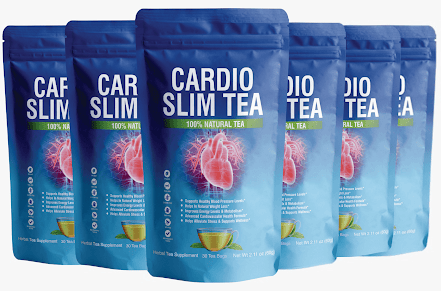
For a therapeutic herbal tea combining hibiscus with other evidence-based cardiovascular botanicals, read our full Cardio Slim Tea Review.