

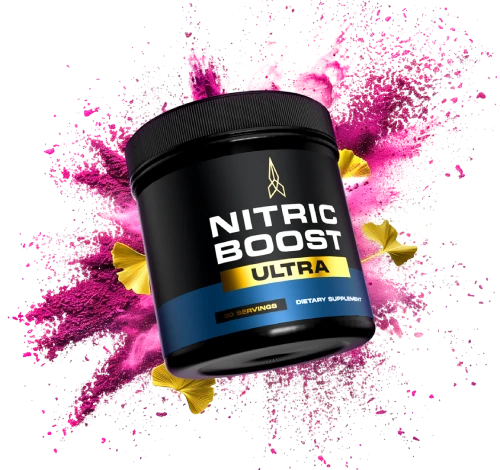
In 1998, three scientists were awarded the Nobel Prize in Physiology or Medicine for discovering that nitric oxide (NO) functions as a critical signaling molecule in the cardiovascular system. Nearly three decades later, the clinical implications of this discovery continue to reshape how we approach cardiovascular health.
What Is Nitric Oxide?
Nitric oxide is an endogenous gaseous signaling molecule synthesized primarily in endothelial cells — the cells lining the interior surface of blood vessels. Via the enzyme eNOS (endothelial nitric oxide synthase), L-arginine is converted to nitric oxide, which diffuses into adjacent smooth muscle cells and triggers vasodilation — the relaxation and widening of blood vessels.
Why Nitric Oxide Declines With Age
NO bioavailability declines progressively with age due to several converging mechanisms: reduced eNOS expression and activity, increased oxidative scavenging of NO by superoxide radicals, reduced dietary nitrate intake, and endothelial dysfunction from accumulated cardiovascular risk factors. By age 70, most adults have significantly impaired NO production compared to their physiological peak.
The Cardiovascular Consequences of NO Deficiency
Reduced NO bioavailability has been directly associated with endothelial dysfunction — the earliest detectable stage of atherosclerosis — elevated resting blood pressure, reduced arterial compliance and increased pulse wave velocity, impaired exercise tolerance and coronary perfusion, and increased platelet aggregation and thrombotic risk.
Nutritional Strategies to Restore Nitric Oxide
Several dietary and supplementation strategies have demonstrated clinical efficacy in restoring NO levels. Dietary nitrates from beetroot and leafy greens are converted to NO via the entero-salivary nitrate-nitrite-NO pathway. L-Citrulline supplementation maintains plasma arginine levels more effectively than direct L-arginine supplementation due to superior intestinal absorption. Polyphenols from pine bark extract and pomegranate protect existing NO from oxidative scavenging.
Practical Applications
Regular aerobic exercise remains the most potent stimulus for eNOS upregulation. Nutritional support with arginine precursors and dietary nitrates provides a complementary strategy for individuals with reduced exercise capacity or those seeking to optimize cardiovascular function.
For clinical-grade nitric oxide support, read our full Nitric Boost Review.