

Age-related hearing loss (presbycusis) affects approximately one in three adults over 65 — yet relatively few are aware that nutritional deficiencies play a meaningful role in its progression. Here are five nutrients with a clinical evidence base for auditory protection.
1. Magnesium — The Cochlear Protector
Magnesium plays a critical role in auditory hair cell protection, particularly against noise-induced damage. A landmark study found that magnesium supplementation before and after noise exposure significantly reduced temporary threshold shifts and long-term cochlear damage. The mechanism involves magnesium’s ability to prevent reactive oxygen species formation and reduce cochlear vasoconstriction during noise stress.
2. N-Acetyl Cysteine (NAC) — Glutathione Replenishment
NAC is a direct precursor to glutathione — the most abundant antioxidant in cochlear tissue. Cochlear hair cells are particularly vulnerable to oxidative damage because they have limited regenerative capacity in mammals. NAC supplementation has been shown to reduce cisplatin-induced ototoxicity in clinical settings and is being investigated for noise-induced hearing loss prevention.
3. Vitamin B12 — Auditory Nerve Maintenance
Vitamin B12 deficiency is disproportionately prevalent in older adults and has been independently associated with both hearing loss and tinnitus severity. B12 (as methylcobalamin) is essential for the synthesis and maintenance of myelin — the protective sheath surrounding auditory nerve fibers. Demyelination slows neural conduction velocity and impairs sound processing fidelity.
4. Ginkgo Biloba — Inner Ear Microcirculation
The inner ear receives blood supply through a single terminal artery — the labyrinthine artery — with no collateral circulation. This makes cochlear tissue uniquely vulnerable to ischemic injury. Ginkgo biloba has been shown to improve cochlear microcirculation by inhibiting platelet aggregation and enhancing red blood cell flexibility, improving oxygen and nutrient delivery to hair cells.
5. Zinc — Immune Modulation and Tinnitus
Multiple clinical trials have examined zinc supplementation in patients with tinnitus and age-related hearing loss. While results vary, a subset of studies show meaningful tinnitus severity reductions in zinc-deficient populations. Zinc plays roles in cochlear hair cell homeostasis, spiral ganglion neuron function, and immune-mediated inflammation of the auditory pathway.
Clinical Takeaway
Nutritional optimization of auditory health is an underutilized and evidence-supported strategy for adults concerned about hearing decline. These nutrients work best in combination, targeting multiple mechanisms of cochlear protection simultaneously.
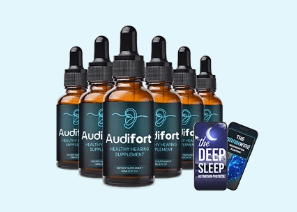
Learn how these nutrients are combined in a single formula. Read our full Audifort Review.