

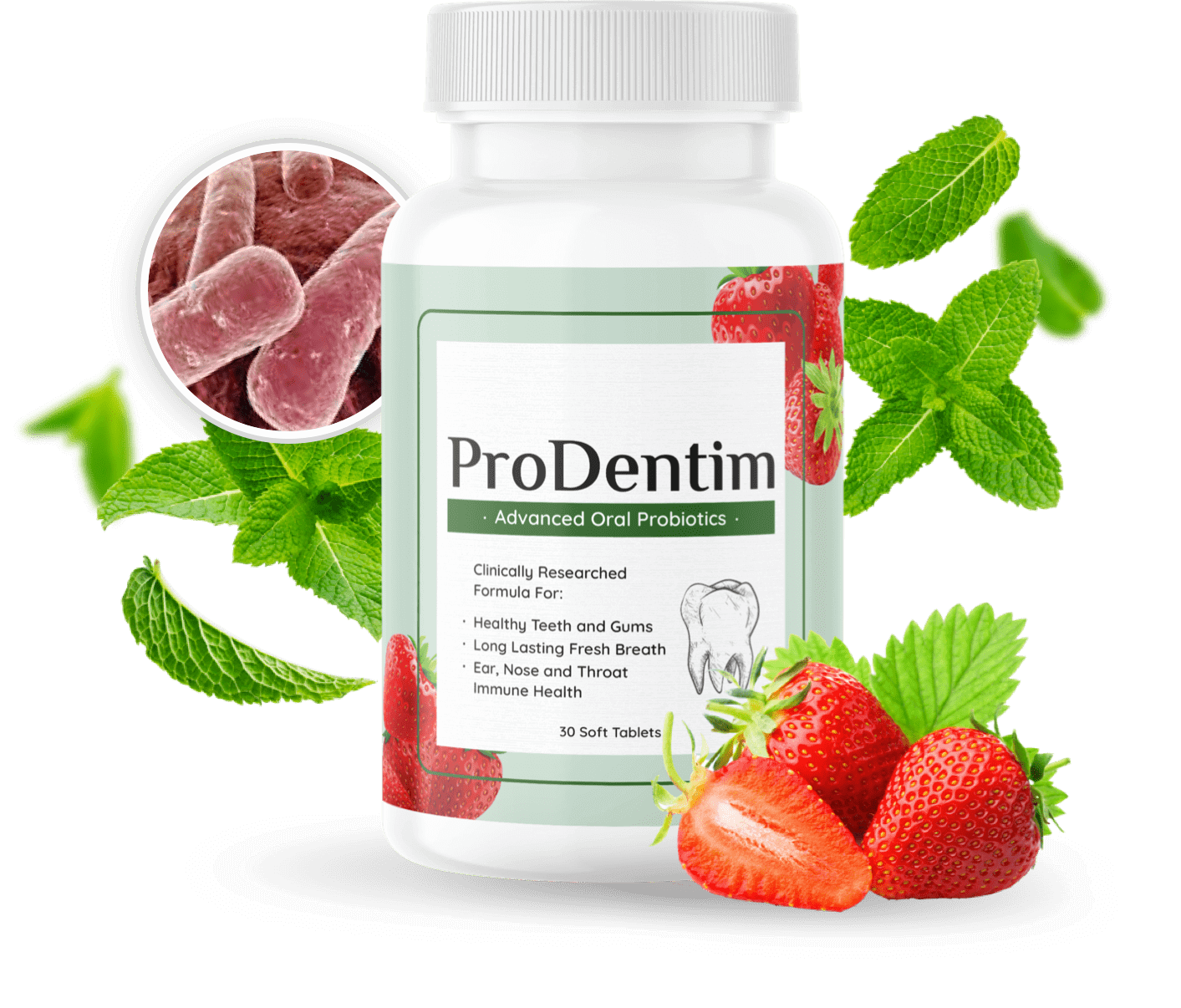
For decades, oral health has been synonymous with removing bacteria. Antibacterial toothpastes, antiseptic mouthwashes, and fluoride treatments all operate on the same paradigm: eliminate oral microorganisms to prevent disease. But a growing body of clinical research suggests this approach may be fundamentally incomplete.
The Oral Microbiome: A Complex Ecosystem
The human mouth harbors over 700 bacterial species in a dynamic, interdependent ecosystem. In a healthy oral environment, beneficial bacterial species dominate — crowding out pathogenic bacteria through competitive exclusion, pH regulation, and antimicrobial peptide production. It is when this balance is disrupted — through antibiotics, sugar consumption, or poor oral hygiene — that pathogenic species proliferate, causing cavities and periodontal disease.
Why Conventional Oral Care Falls Short
Antibacterial mouthwashes and toothpastes indiscriminately eliminate both harmful and beneficial oral bacteria. This creates an ecological vacuum that pathogenic species — with their higher replication rates and acid tolerance — are often better positioned to fill. The result can be a counterproductive cycle where aggressive antibacterial products paradoxically worsen long-term oral microbiome health.
Oral Probiotics: Restoring Balance Rather Than Eliminating It
Oral probiotic research focuses on introducing clinically identified beneficial bacterial strains — particularly Lactobacillus and Streptococcus salivarius species — that have documented antagonistic activity against key oral pathogens including Streptococcus mutans (primary cavity-causing organism) and Porphyromonas gingivalis (primary periodontal pathogen). By establishing a favorable competitive balance, oral probiotics support dental health through biological rather than chemical means.
Clinical Evidence for Oral Probiotics
A 2020 systematic review in the Journal of Clinical Periodontology found that oral probiotic supplementation significantly reduced gingival inflammation scores and pathogenic bacterial counts compared to placebo controls. A separate trial demonstrated that Lactobacillus reuteri supplementation reduced bleeding on probing — a primary clinical marker of gingivitis — by over 50% in a 12-week period.
Practical Implications
The emerging evidence supports a shift from purely antibacterial oral care to a microbiome-restorative approach — particularly for individuals with recurrent cavities, chronic gingivitis, or persistent halitosis despite good oral hygiene practices.
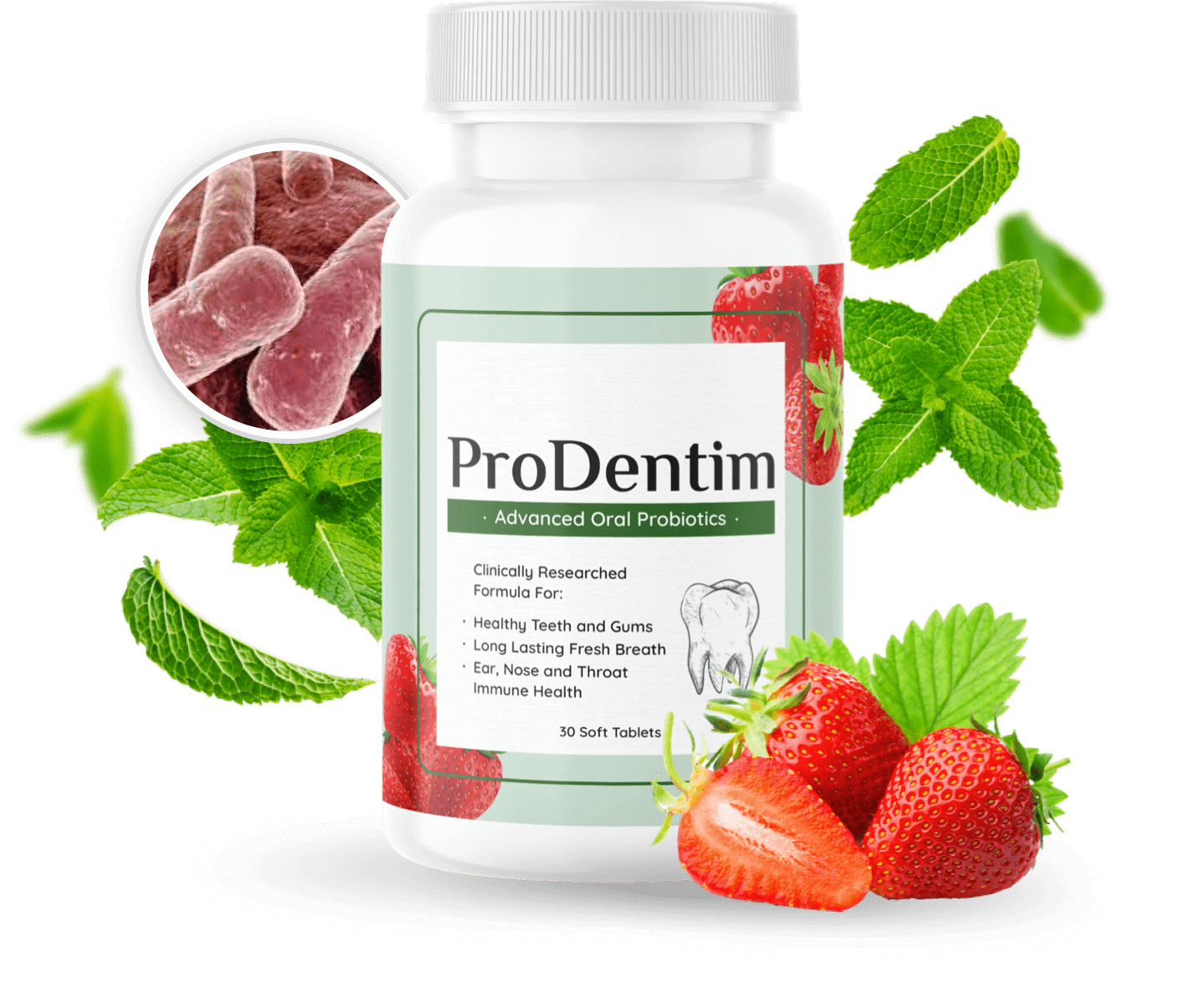
Interested in oral probiotic supplementation? Read our full ProDentim Review for a clinical assessment of the leading oral probiotic formula.