

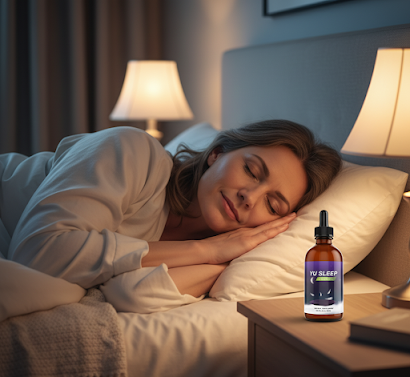
Sleep is not passive recovery — it is an active physiological process during which the body performs cellular repair, hormonal regulation, immune system maintenance, and memory consolidation. Chronic sleep deficiency disrupts all of these processes simultaneously, with measurable consequences for metabolic health, body weight, and biological aging.
Sleep Loss and Weight Gain: The Hormonal Mechanism
The relationship between sleep deprivation and obesity is mediated primarily through two hormones: leptin and ghrelin. Leptin signals satiety — adequate sleep maintains leptin levels; sleep deprivation reduces them. Ghrelin signals hunger — sleep deprivation increases ghrelin levels significantly. A single night of sleep restriction has been shown to increase ghrelin by 28% and decrease leptin by 18%, creating a powerful drive toward overconsumption.
Cortisol Dysregulation
Poor sleep elevates cortisol levels — particularly in the evening, when cortisol should be at its physiological nadir. Chronically elevated evening cortisol promotes visceral fat deposition, muscle catabolism, and insulin resistance — a metabolic profile strongly associated with type 2 diabetes and cardiovascular disease risk.
Cellular Aging and Sleep
Deep slow-wave sleep (SWS) is the primary window for growth hormone secretion — which governs tissue repair, immune function, and cellular regeneration. Reduced SWS time, commonly seen with aging and sleep disorders, measurably reduces the body’s regenerative capacity. Telomere shortening — a molecular marker of cellular aging — has been significantly associated with chronic sleep deprivation in longitudinal studies.
Cognitive Performance
The glymphatic system — the brain’s waste-clearance mechanism — operates almost exclusively during sleep. Insufficient sleep impairs amyloid-beta clearance, a protein associated with Alzheimer’s disease pathology. Even mild, chronic sleep restriction produces cognitive deficits equivalent to one to two nights of total sleep deprivation.
Optimizing Sleep: Clinical Priorities
Sleep hygiene practices — consistent sleep schedules, dark sleeping environments, temperature regulation, and screen-time reduction — form the behavioral foundation of sleep optimization. For individuals whose sleep disruption has a physiological component — cortisol elevation, GABAergic imbalance, or circadian rhythm misalignment — targeted supplementation can provide meaningful support.
For a clinically formulated natural sleep support option, read our full YU Sleep Review.