Dry mouth (xerostomia) affects an estimated 30% of adults over 65, and up to 40% of those over 80 — making it one of the most common oral health problems in seniors. Beyond the discomfort, chronic dry mouth has serious consequences for dental health that most people underestimate.
Why Dry Mouth Is Dangerous, Not Just Annoying
Saliva is your mouth's primary defense system. It:
- Neutralizes acids produced by bacteria (protecting enamel from erosion)
- Provides antimicrobial proteins that control bacterial populations
- Delivers calcium and phosphate that remineralize tooth enamel
- Lubricates oral tissues, preventing micro-tears where bacteria enter
- Facilitates chewing, swallowing, and taste perception
Without adequate saliva, all of these functions deteriorate simultaneously. Seniors with chronic dry mouth have dramatically higher rates of cavities (including root cavities, which are particularly destructive), gum disease, oral fungal infections, and difficulty eating many foods. Dry mouth is also the most common cause of persistent bad breath in older adults.
The Most Common Causes in Adults Over 60
1. Medications — The Biggest Culprit
More than 400 medications list dry mouth as a side effect — and adults over 60 take an average of 5–7 drugs. The most xerostomia-causing drug classes include:
- Antihistamines (allergy medications — both prescription and OTC like Benadryl, Claritin)
- Antidepressants (particularly tricyclics and SSRIs)
- Diuretics (water pills — extremely common in seniors for blood pressure and heart failure)
- Beta-blockers (metoprolol, atenolol)
- Anticholinergics (bladder medications, some Parkinson's drugs)
- Proton pump inhibitors (omeprazole, pantoprazole)
If you're on multiple medications, the combined xerostomia-producing effects are additive. This is why dry mouth is so much more common in seniors than younger adults despite no specific "aging mechanism" causing it directly.
2. Dehydration
The thirst mechanism weakens after 60. Many seniors are mildly chronically dehydrated, and insufficient fluid intake directly reduces saliva production. Even moderate dehydration produces significant dry mouth symptoms.
3. Mouth Breathing
Nasal congestion, sleep apnea, or structural changes in the airway cause increased mouth breathing — particularly at night. Waking up with severe dry mouth and thirst is a classic mouth-breathing symptom. Sleep apnea in seniors is often associated with profound morning dry mouth.
4. Sjögren's Syndrome
An autoimmune condition affecting salivary and lacrimal (tear) glands. More common in post-menopausal women. If dry mouth is accompanied by dry eyes and joint pain, Sjögren's syndrome warrants evaluation.
What Actually Relieves Dry Mouth — By Evidence Level
| Intervention | Evidence | Best For |
|---|---|---|
| Increase fluid intake (minimum 8 cups/day) | Strong | Dehydration-related dry mouth |
| Biotene oral moisturizing gel/spray | Moderate-Strong | Immediate symptom relief |
| Sugar-free xylitol gum/candies | Moderate-Strong | Stimulates salivary flow; protective against cavities |
| Oral probiotics (Strep salivarius K12) | Moderate | Restoring oral microbiome; reducing secondary infections |
| Humidifier at night | Moderate | Mouth-breathing-related morning dry mouth |
| Fluoride varnish (dental office) | Strong | Preventing cavities caused by dry mouth |
Protecting Your Teeth When You Have Chronic Dry Mouth
If you have chronic dry mouth from medications that can't be changed, protecting your teeth becomes even more critical: use fluoride toothpaste and a prescription fluoride rinse if your dentist recommends it; brush after every meal (not just morning and night); avoid sugary and acidic foods and drinks; see your dentist every 3–4 months rather than the standard 6 for early cavity detection; and consider oral probiotics to maintain a protective bacterial balance despite reduced salivary antimicrobials.
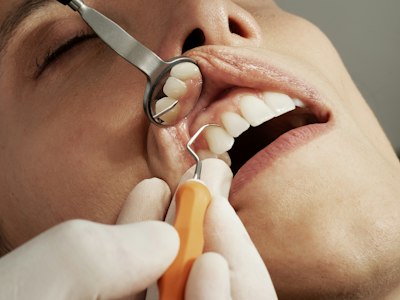
Protect Your Oral Health Despite Dry Mouth
ProDentim's 3.5 billion CFU oral probiotic formula supports oral microbiome balance and gum health — particularly important for seniors managing chronic dry mouth.
👉 Read Our Full ProDentim Review ✅ Honest review · Science-backed ingredients · No hype